Picture this: you're a fifth-year student at Hogwarts, casually lobbing Crucio at a poacher because, well, why not? The game barely bats an eye. A classmate might mumble something like "That's a bit dark, mate," but nothing really sticks. For a franchise built on the idea that choices define who you are, Hogwarts Legacy dropped the Quaffle hard when it came to consequences—especially around the Unforgivable Curses. Now, with rumors of a sequel swirling in 2026, Avalanche Software has a golden snitch of an opportunity to fix this moral blind spot. And honestly, they'd be mad not to.
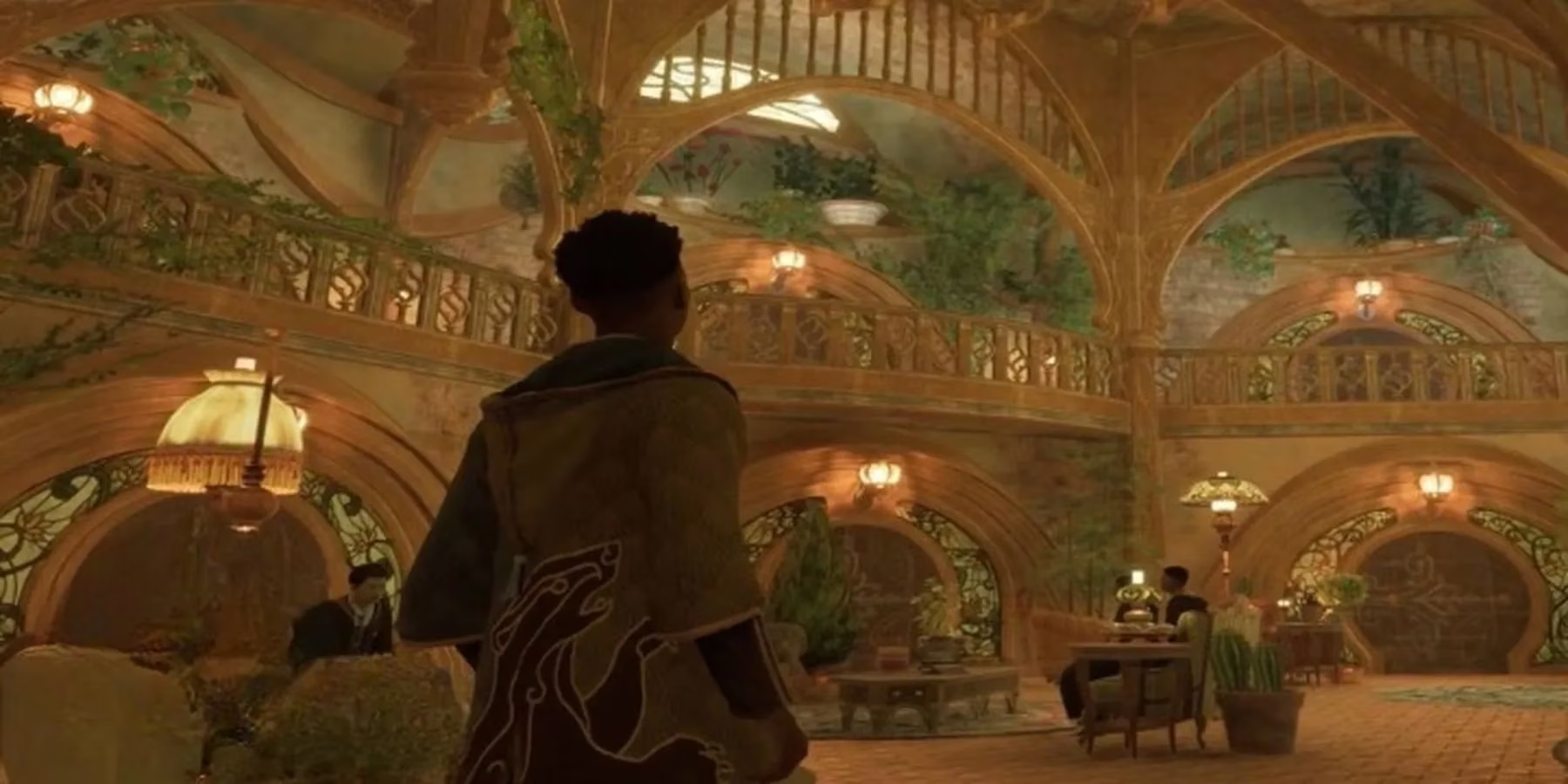
When Hogwarts Legacy first flew onto consoles in 2023, Potterheads lost their collective minds. Finally, here was a high-fidelity RPG where you could wander the halls, brew potions, and—most tantalizingly—dabble in the Dark Arts. The confirmation that Avada Kedavra, Crucio, and Imperio were in the game sent Twitter into a frenzy of excited (and slightly unhinged) spellcasting memes. But here's the kicker: using those curses came with all the gravity of a Chocolate Frog card. Sure, the spells were flashy and devastatingly effective, but the game treated them more like a reskin of your average fireball than the soul-corrupting abominations the lore makes them out to be.
The biggest letdown? Azkaban. You'd think the wizarding world's most terrifying prison would loom over anyone casually hurling killing curses, right? Wrong. In Hogwarts Legacy, Azkaban is a blink-and-you'll-miss-it cameo, locked behind a single Hufflepuff-exclusive quest. That's it. A brief, spooky stroll through a corridor, a chat with some Dementors, and you're back to class as if nothing happened. The message was clear: the prison was more of a tourist stop than a narrative threat. For a game that let you become a walking magical war crime, the absence of Azkaban's cold, soul-sucking shadow was a gaping hole in the story's credibility.
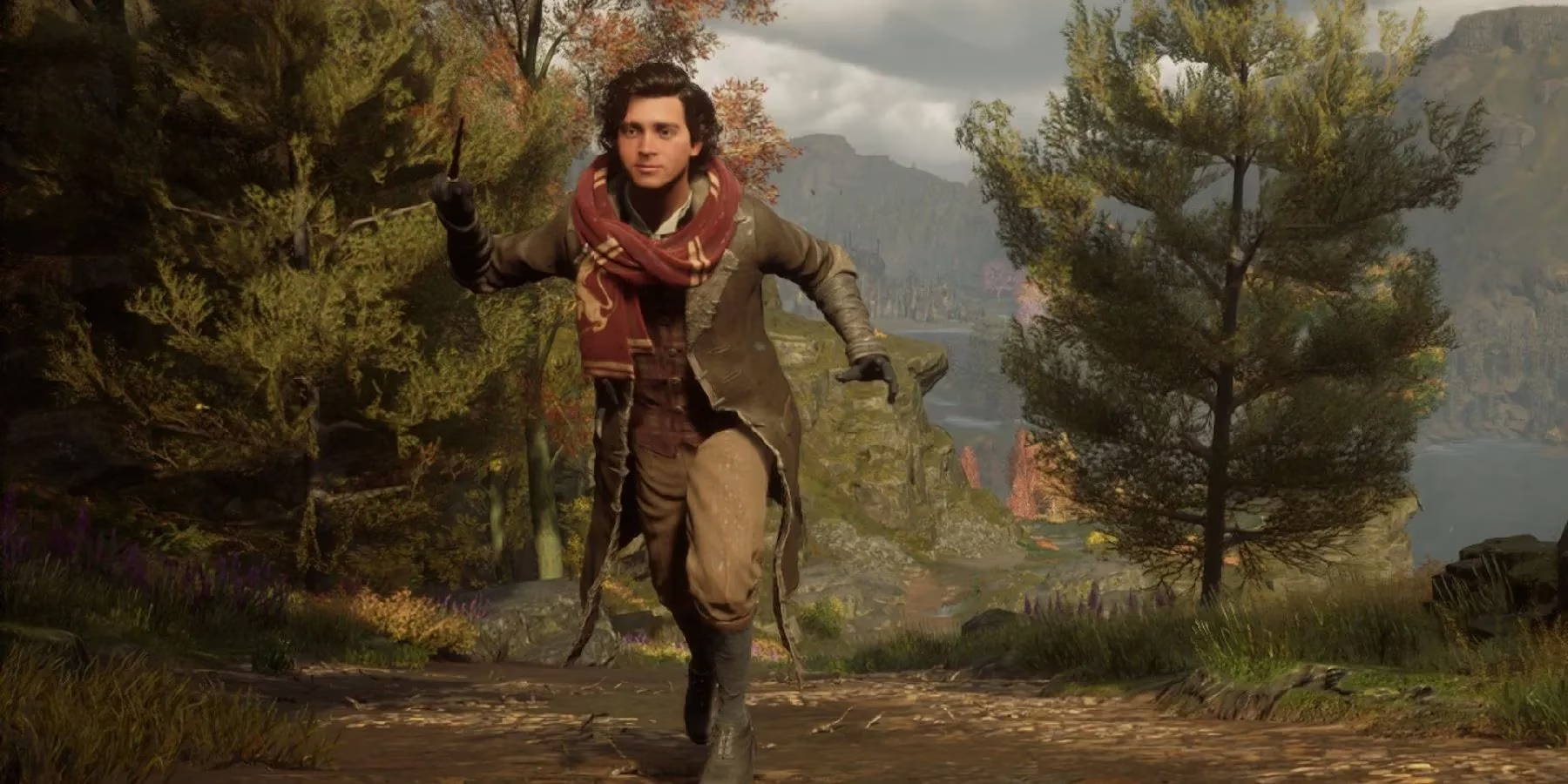
Let's break down exactly where the morality mechanics fumbled. Throughout your adventure, you could literally Crucio a goblin in front of Professor Fig, and he'd just carry on chatting about ancient magic. The only character who remotely called you out was Ominis Gaunt, and even his warnings felt more like background flavor than a branching path that could lock you out of friendships or quests. Remember the whole Sebastian Sallow arc? The game walks you right up to the edge of genuine ethical tension—Sebastian murders his uncle with Dark Magic, and you get to decide whether he faces justice. That decision should have been a gut-punch, but because the game never punished you for your own dark dalliances beforehand, the weight felt artificial. Sebastian could walk free or get expelled, but your own hands were always clean, no matter how many times you shouted "Avada Kedavra" in a crowded room.
This is where a sequel needs to draw a line in the sand. In 2026, gamers expect RPGs to have teeth—look at titles like Baldur's Gate 3, where your nastiest choices ripple outward in ways that can completely derail a playthrough. A Hogwarts Legacy 2 can't afford to be a theme park where the Dark Arts are just another ride. If the storyline is going to get even darker (and let's be real, Sebastian Sallow is practically begging to become a proto-Voldemort), then the game needs a proper moral compass. Use Crucio on an innocent? Expect a visit from a squadron of Aurors—or better yet, a cutscene inside Azkaban with Dementors draining your happiness while you scramble for an escape plan. Repeatedly use Unforgivable Curses? Watch NPCs flinch when you approach, whisper about you in the corridors, or refuse to trade with you. The stigma should stick, just like it did for Tom Riddle.
Beyond the punitive side, a sequel could deepen the choice system in more nuanced ways. For example:
-
Reputation tiers: your actions could push you toward a "dark wizard" notoriety, unlocking unique—but morally questionable—allies and questlines, while slamming doors on the more heroic character arcs.
-
Relationship consequences: companions like Natty or Poppy might permanently leave your party if you go full dark side, while others like Ominis could be drawn deeper into a shared descent.
-
Azkaban timeouts: imagine a mechanic where, if your crimes get bad enough, you're actually imprisoned for a chapter. You'd have to break out, losing valuable gear or facing permanent stat reductions as a result of Dementor exposure.
Call it tough love, but it's exactly the kind of thing that would make every cast of Crucio feel genuinely dangerous. And it wouldn't just be about punishing players—it'd make the choice to stay on the light side meaningful. Right now, being a goody-two-shoes in Hogwarts Legacy is basically the same as being a budding dark lord, only with fewer spells. A sequel has the chance to make virtue its own reward (or at least its own distinct path), rather than just the absence of a wicked streak.
The bottom line? The Wizarding World has always been about choices that echo far beyond the moment. Harry Potter's refusal to use Unforgivable Curses—even on Voldemort—defined him just as much as those curses defined Bellatrix Lestrange. Hogwarts Legacy's sequel, if it wants to capture that magic, needs to treat morality like more than a checkbox. It needs to make Azkaban feel real, make NPCs remember your deeds, and make you think twice before whispering "Imperio" in the heat of battle. Because in a story about power and its price, the most unforgivable thing would be to let players keep getting away with murder—literally.
Comments