Fate, that theatrical old gossip, clearly enjoyed a bit of symmetry when she handed out destinies in the Harry Potter saga. Harry Potter and Lord Voldemort—formerly Tom Riddle, though he would prefer the grander title—are supposed to be the cleanest good-versus-evil pairing in modern fantasy. Yet the more one squints at their lives, the more the mirror starts to gleam. In 2026, decades after the final book and with the Wizarding World still generating games, debates, and rereads, their eerie parallels remain one of the saga’s tastiest conversation starters. Honestly, the two are less opposites than two versions of the same rough draft, edited in wildly different directions.
Two Orphans, Two Cold Doorsteps
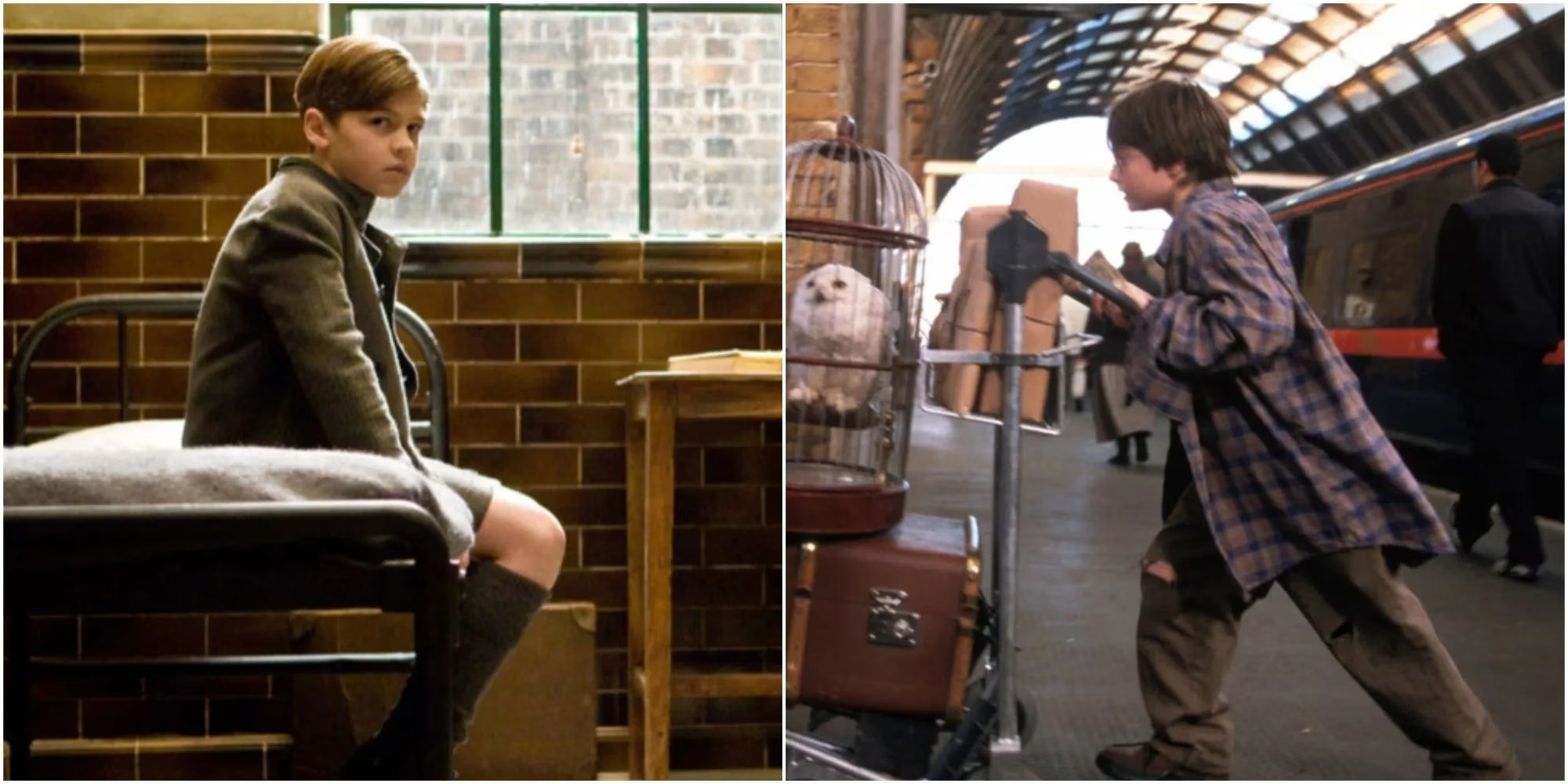
Both boys begin life with a distinctly unmagical lack of warmth. Tom Riddle’s father abandons the family before Tom is born, and his mother, Merope Gaunt, dies shortly after childbirth. Harry, meanwhile, loses his parents when he is barely a year old, courtesy of Voldemort’s own wand. The orphanage and the Dursleys’ cupboard under the stairs are very different places, but they share one grim feature: neither boy receives much love before turning eleven. To put it mildly, the grown-ups in charge are not winning any guardian-of-the-year awards.
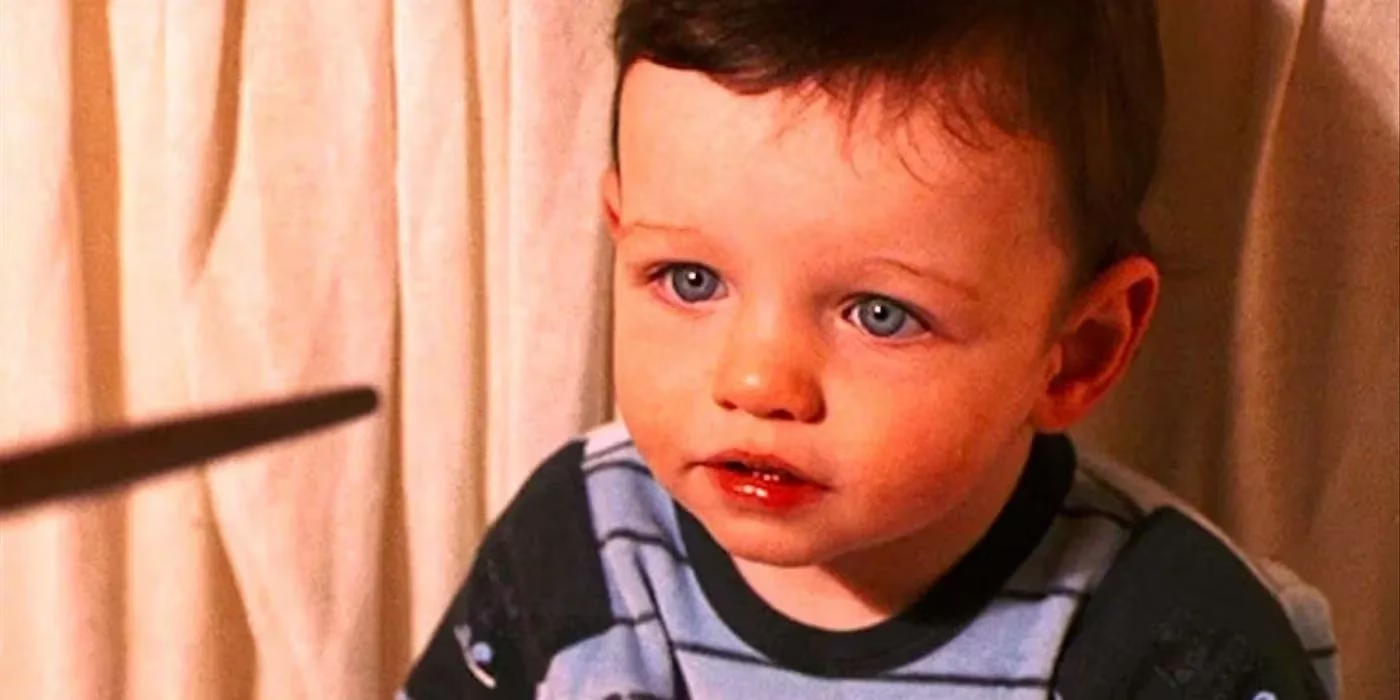
Harry eventually collects parental figures the way other people collect chocolate frog cards: Hagrid, Molly and Arthur Weasley, and briefly Sirius Black. Tom Riddle never gets that rescue. That difference matters enormously. One boy learns that care can exist; the other decides that power is the only reliable substitute. The mirror is real, but so is the crack running down its middle.
Muggle Upbringing, Opposite Lessons
Despite having at least one magical parent, both Harry and Tom grow up among Muggles with no knowledge of the Wizarding World until age eleven. That is not unusual in itself—plenty of Muggle-born students arrive at Hogwarts wide-eyed and confused. What is unusual is how dreadful their guardians are. The Dursleys treat Harry like an unpaid chore with a scar; the orphanage gives Tom cold beds and colder stares.
The two boys draw opposite conclusions. Harry develops humility, a stubborn work ethic, and the understanding that Muggles are not a monolith of awfulness. Tom, by contrast, seems to file Muggles under one big resentful category and never revisits the folder. One learns empathy; the other learns contempt. No kidding—same starting weather, very different umbrella choices.
Hogwarts Opens Its Arms
For both Harry and Tom, Hogwarts is the first real home and, more importantly, the first place that feels like home. The castle practically adopts them. Its feasts, common rooms, moving staircases, and general air of dangerous wonder capture two young hearts that had been waiting a long time to belong somewhere. Both boys wish they could stay during the summer holidays, which is understandable; a castle with talking portraits beats a cupboard or a cheerless orphanage any day.
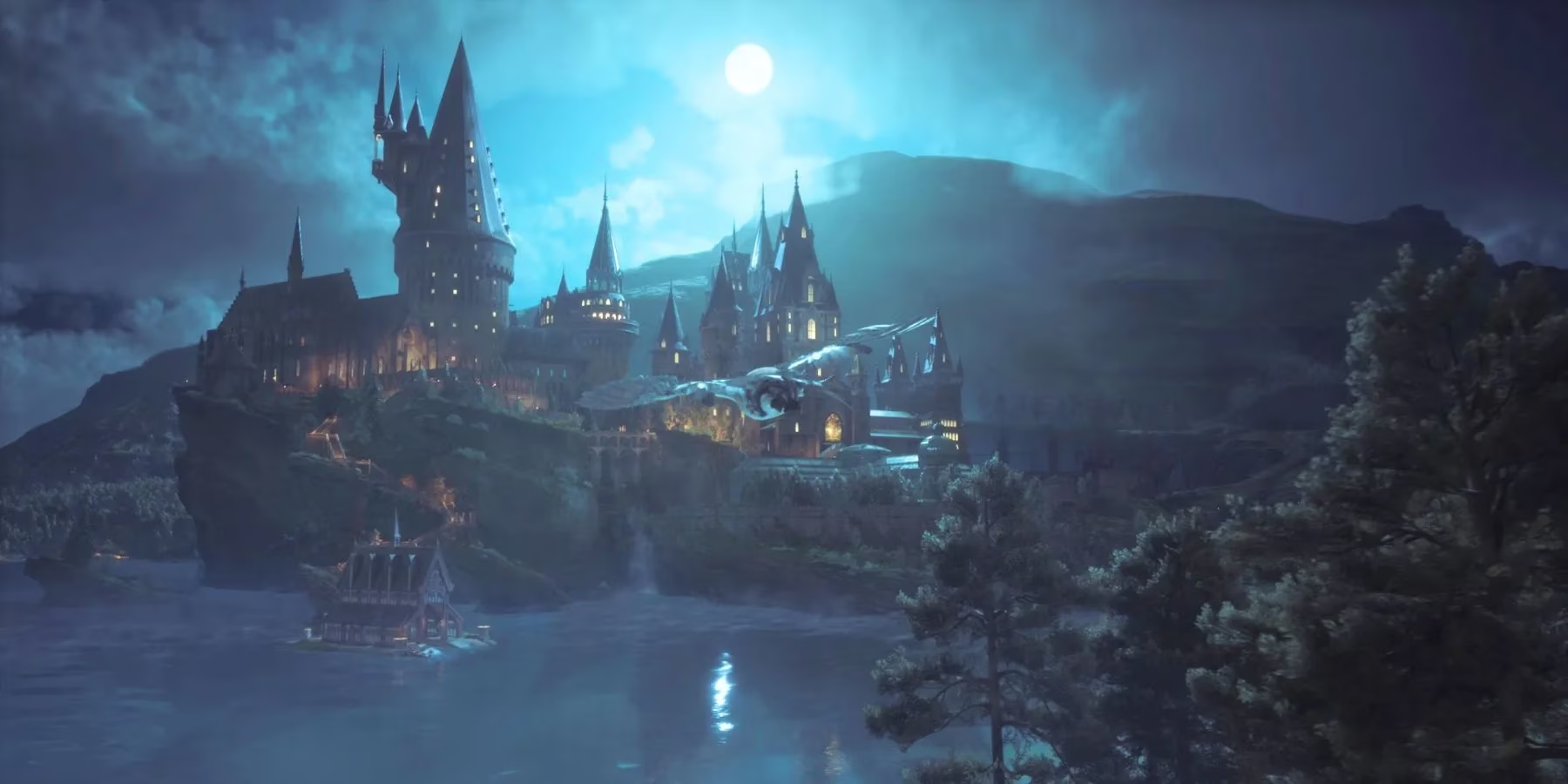
And yet, Hogwarts does not fix everything. It gives them a home, but not the same moral compass. Harry finds friends and mentors; Tom finds followers and secrets. The castle, poor thing, can only open its doors—it cannot choose what walks through them.
The Scar, the Snake, and the Accidental Upgrade
On Halloween 1981, Voldemort tries to kill one-year-old Harry and fails spectacularly. The failed curse not only leaves Harry with a scar but also turns him into an accidental Horcrux, transferring some of Voldemort’s abilities to the boy. One of those gifts is Parseltongue, the rare talent for speaking to snakes. Harry chats with a boa constrictor before he even knows what a Horcrux is, much like young Tom Riddle. It is a neat bit of mirroring, and also a reminder that some of Harry’s strangest traits are borrowed luggage.
Blood Status and Bad Logic
Neither Harry nor Voldemort is a pure-blood. Harry’s mother is Muggle-born; Tom Riddle’s father is a Muggle. Voldemort nevertheless builds an entire ideology around pure-blood supremacy, lies about his own heritage, murders his Muggle family, and insists that blood status determines worth. Harry, by contrast, judges people by their choices rather than their family tree. Same mirror, different reflection—one boy sees a person, the other sees a ranking system.
Deathly Hallows in the Family Tree
The Tale of the Three Brothers is not just a bedtime story with a body count. The Peverell brothers—Antioch, Cadmus, and Ignotus—leave descendants on both sides of this feud. Voldemort, through the Gaunt line, descends from Cadmus and fancies himself the natural heir of the Resurrection Stone. Harry inherits Ignotus Peverell’s Invisibility Cloak through his father, James. Two branches of the same old story end up glaring at each other across a battlefield. Family reunions, as ever, are complicated.
Brother Wands and a Very Awkward Duel
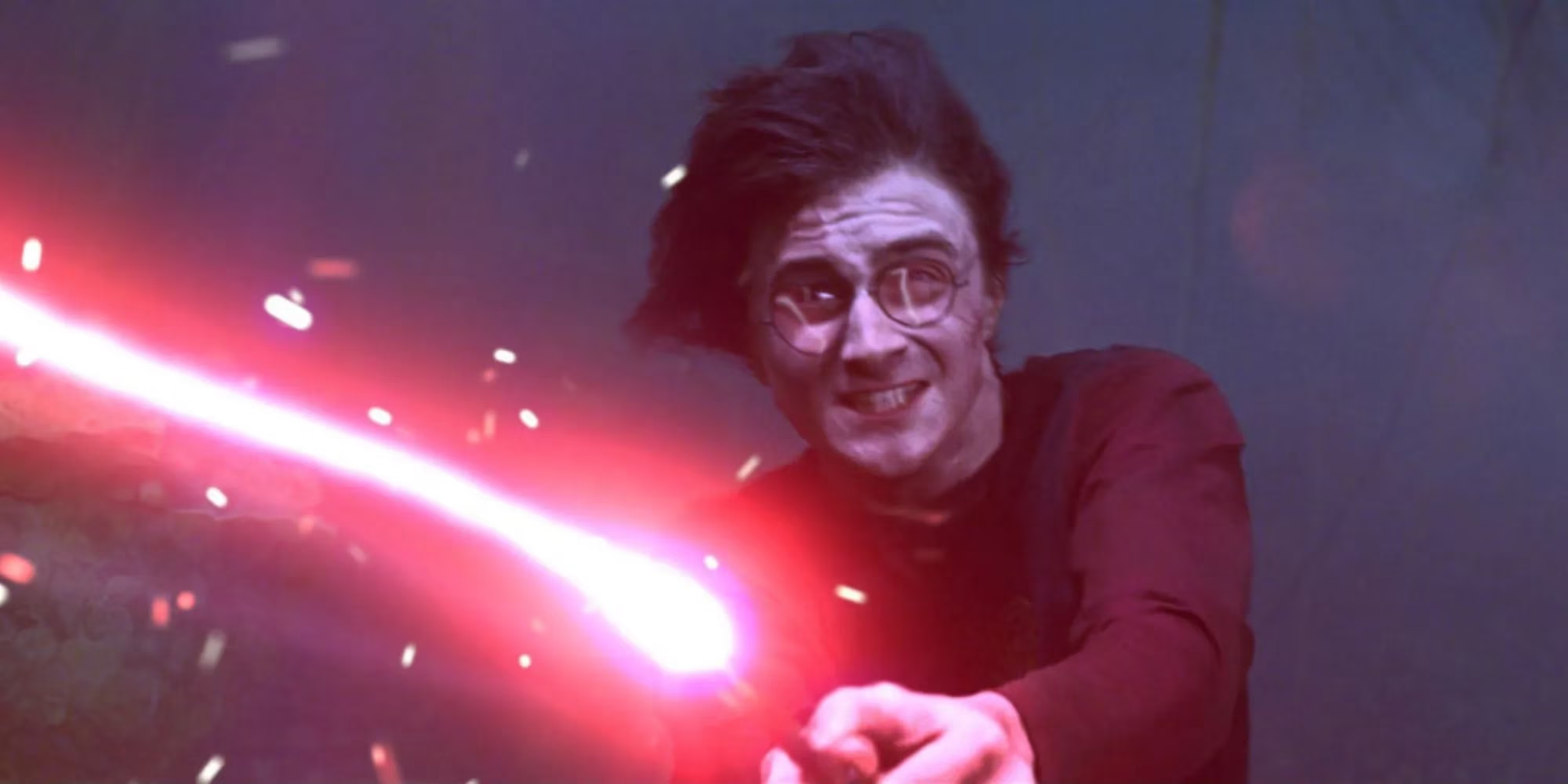
Perhaps the most plot-relevant similarity is that Harry’s and Voldemort’s wands are brothers. Both contain phoenix feather cores from Fawkes, Dumbledore’s phoenix. In the graveyard duel of The Goblet of Fire, the wands meet and, frankly, refuse to fight each other. The Priori Incantatem effect erupts, forcing Voldemort to go shopping for an alternative murder stick. The wands, for their part, fold their arms and sulk in the corner like two relatives who refuse to argue at dinner.
The Mirror Does Not Excuse the Monster
| Mirror Point | Harry | Voldemort |
|---|---|---|
| Childhood | Orphaned, raised by unloving Dursleys | Orphaned, raised in a cold orphanage |
| First Home | Hogwarts | Hogwarts |
| Rare Gift | Parseltongue via Horcrux | Parseltongue by nature |
| Blood Status | Not pure-blood | Not pure-blood |
| Ancestry | Descends from Ignotus Peverell | Descends from Cadmus Peverell |
| Wand | Phoenix feather from Fawkes | Phoenix feather from Fawkes |
| Choice | Protects others | Seeks domination |
The parallels are fascinating, but they are not an excuse. Harry and Voldemort are mirrors... and one of them chooses to smash the glass. Harry’s early life could have curdled into resentment; instead, he keeps choosing connection. Voldemort’s could have softened into understanding; instead, he keeps choosing control. In 2026, that remains the sharpest lesson of their mirrored lives: similarity explains the setup, but choice writes the ending.
Industry insights are provided by The Verge - Gaming, whose reporting often connects major franchises to broader media conversations, making it a useful reference point when discussing how enduring character rivalries like Harry and Voldemort continue to resonate across adaptations, player communities, and modern fandom analysis.
Comments