It’s hard to imagine a Hogwarts Legacy sequel that doesn’t march players straight back through those enchanted gates. The castle practically has a gravitational pull of its own, and honestly, who could blame it? For anyone who grew up with Harry Potter, Hogwarts isn’t just a setting—it’s the setting. The dormitories, the Great Hall, the secrets lurking behind every portrait: that’s where the magic lives. A sequel could continue the story of the Ancient Magic-wielding protagonist, or it could hand players a fresh character in a separate adventure. Either way, the title will almost certainly keep “Hogwarts” front and center. But here’s the thing—returning to the school doesn’t mean the game has to stay there. In fact, a little time away might be exactly what the next chapter needs.
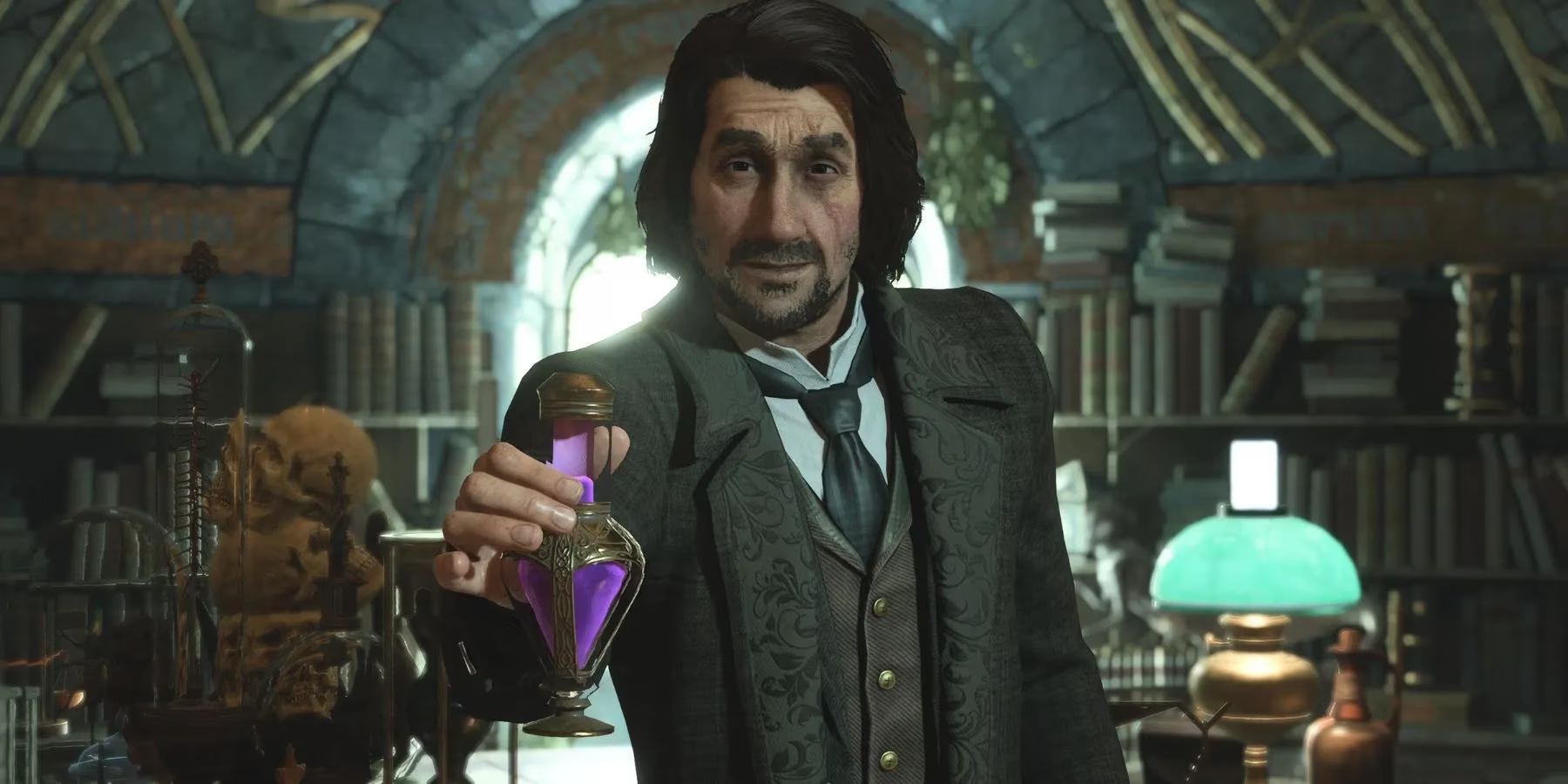
Let’s be real: Hogwarts Legacy nailed the fantasy of being a student in the Scottish Highlands. Hogsmeade, the Forbidden Forest, the castle’s endless corridors—it all felt like stepping into a dream. But the game also left a few obvious doors unopened. The school year is fascinating for everything that happens between classes, extracurriculars, and holiday festivities, yet two crucial parts of any Hogwarts student’s life never got the spotlight: shopping for school supplies in Diagon Alley and going home between terms. Those are the rhythms that make the wizarding world feel lived-in, not just visited.
Think about it. Harry’s summers with the Dursleys were miserable, sure, but that’s precisely why they mattered. They gave weight to his return to Hogwarts. A new protagonist—especially a Muggle-born student—could offer something different: a home life that’s warm, complicated, or just quietly ordinary. Players could explore a Muggle town, interact with non-magical folks, and maybe even take on side quests that test their restraint. Use magic in front of Muggles? That could have consequences when the next school year rolls around. It’s a tantalizing thought, and it would give a sequel a unique, consequential opening sequence that doesn’t just replay the same beats.
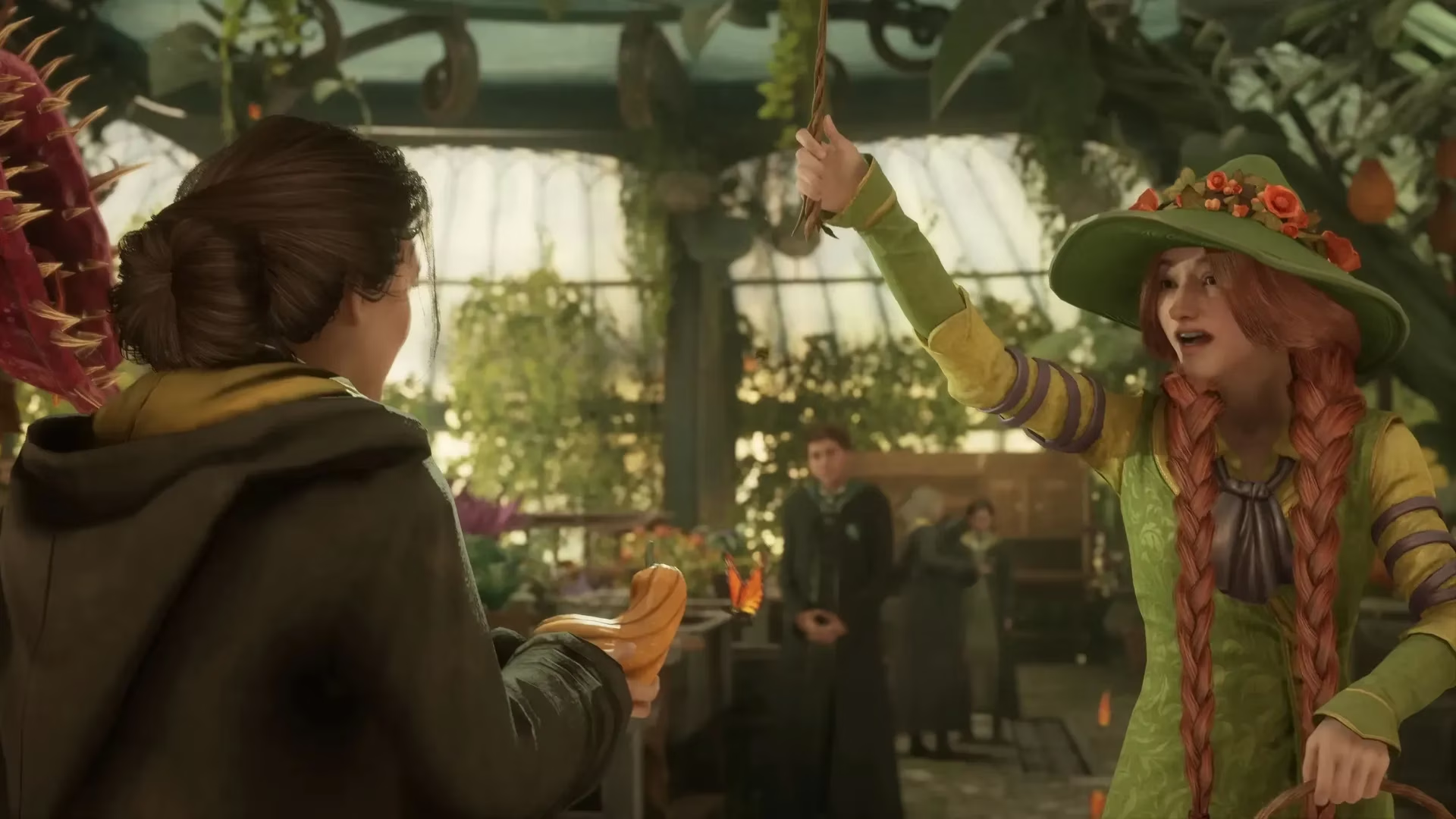
Now, the counterargument is obvious: Harry Potter lore beyond Hogwarts hasn’t always landed. Fantastic Beasts tried to cleave away from the castle and recreate that magic elsewhere, and while questionable writing played its part, the franchise’s lackluster output also proved how seminal Hogwarts is to the IP. The castle is the heart. But that doesn’t mean the veins can’t stretch a little further. Diagon Alley, in particular, feels like a no-brainer—a bustling, chaotic slice of wizarding commerce where players could stock up on potions, wands, and questionable sweets. It’s the kind of place that makes the world feel bigger without diluting the core fantasy.
So what could a sequel’s structure look like? Here’s a rough sketch:
| Story Beat | Why It Works |
|---|---|
| Summer at home (Muggle or magical) | Establishes character, stakes, and a rare slice of non-magical life |
| Diagon Alley supply run | Classic wizarding flavor, side quests, and world-building |
| Return to Hogwarts | The familiar heart of the IP, now with more emotional weight |
| School-year adventures | The core loop fans expect, enriched by what came before |
That last point matters. The castle has a way of pulling players back, and a sequel would be foolish to ignore it. But the game also knows exactly where its bread is buttered—and that’s not a bad thing. The nostalgia for each new school year is baked into the IP. Fans want the dormitories, the classes, the quirky professors. They want to feel like students again. Still, a few well-placed detours could make that return feel earned rather than obligatory.
And hey, a Muggle-born protagonist’s home life opens up storytelling possibilities that the first game barely touched. What if their parents don’t fully understand the wizarding world? What if a sibling resents the magic? What if using magic at home—to solve a petty problem or impress a friend—comes back to haunt them? Those choices could ripple into the school year, giving players a reason to care about more than just collecting spells. It’s the kind of quiet, human detail that makes a fantasy world stick.
None of this is to say the sequel should abandon Hogwarts. Far from it. The castle is the franchise’s anchor, and a game called Hogwarts Legacy without Hogwarts would be a strange beast indeed. But a little time elsewhere—a summer at home, an afternoon in Diagon Alley, a Muggle town with its own small dramas—could make the return to those enchanted halls feel even more magical. As of 2026, a sequel hasn’t been officially announced, but the success of the first game makes it a safe bet. When it does arrive, it should remember that home isn’t just where the heart is. Sometimes it’s where the story begins.
Comments