I have spent an unreasonable amount of time in 2026 thinking about Hogwarts Legacy’s sequel, and no, it is not because I need another excuse to ignore my real-life laundry. It is because the Wizarding World still has one glaring, robe-shaped problem: its Hogwarts houses are often written like personality quizzes that escaped the magazine and took over an entire society. Brave? Gryffindor. Cunning? Slytherin. Kind? Hufflepuff. Bookish? Ravenclaw. Congratulations, your entire moral future has been decided by a talking hat. What could possibly go wrong? 😅
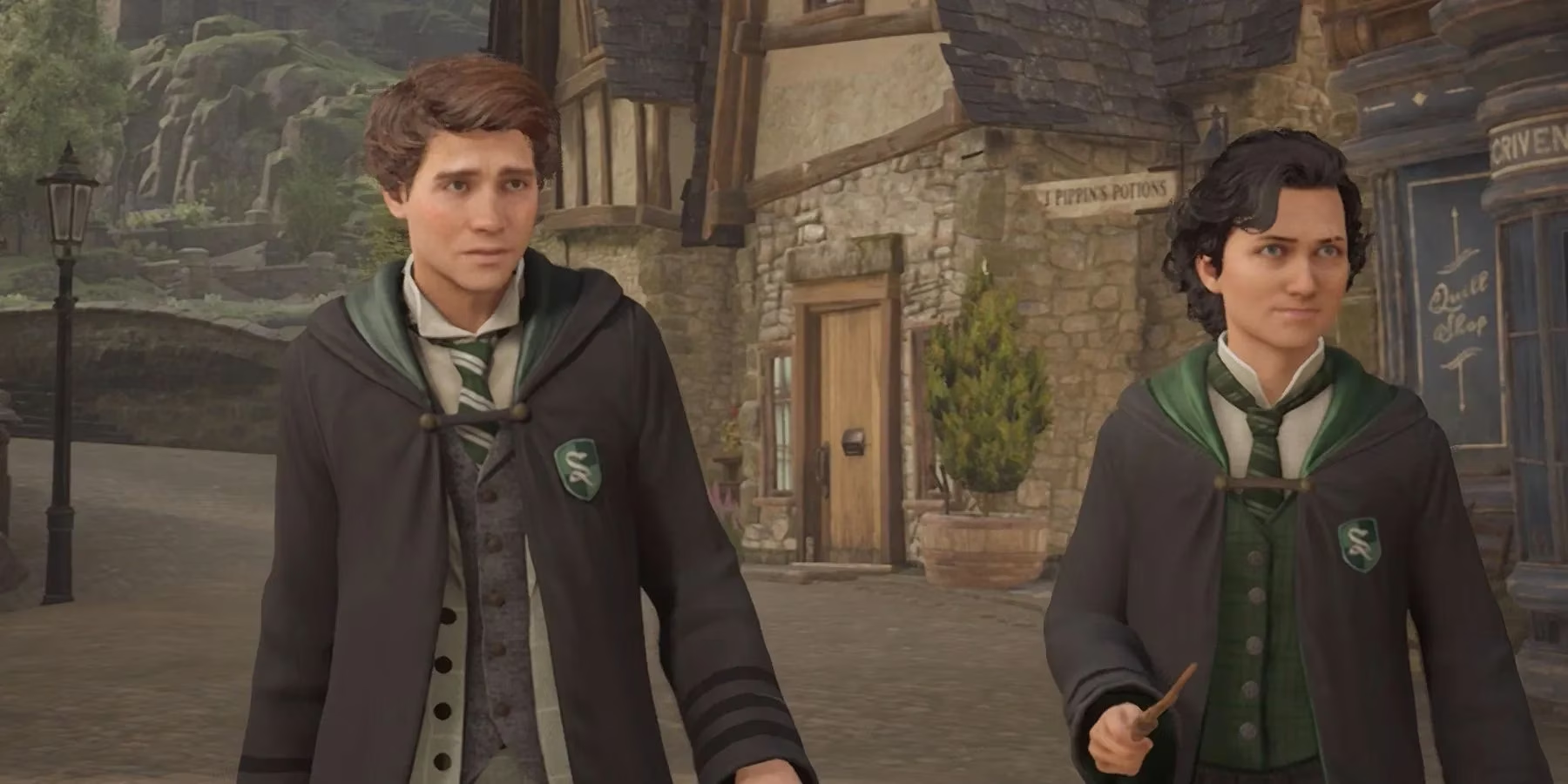
The first game took a step in the right direction. I could create a Slytherin who was chivalrous, a Gryffindor who was cautious, or a Ravenclaw who was, shockingly, not a walking encyclopedia with a wand. That player freedom is lovely. It is also a bit like being allowed to paint your bedroom any color while the landlord insists the walls must remain beige. NPCs occasionally peek outside their house stereotypes, but those moments are rare enough to feel like accidents. The Sorting Hat’s judgment is treated as absolute, objective, and apparently immune to the messy reality of eleven-year-olds changing their minds every fifteen minutes.
A sequel has a real chance to fix that. Not by burning the houses down—Merlin forbid, the merchandising department would have a fit—but by letting characters be more complicated than their common-room color scheme. Why must every Slytherin twirl a metaphorical mustache? Why is every Gryffindor’s bravery apparently purchased in bulk with a side order of recklessness? And can we please admit that a Hufflepuff can be ambitious without secretly being a Slytherin in a suspiciously yellow scarf?
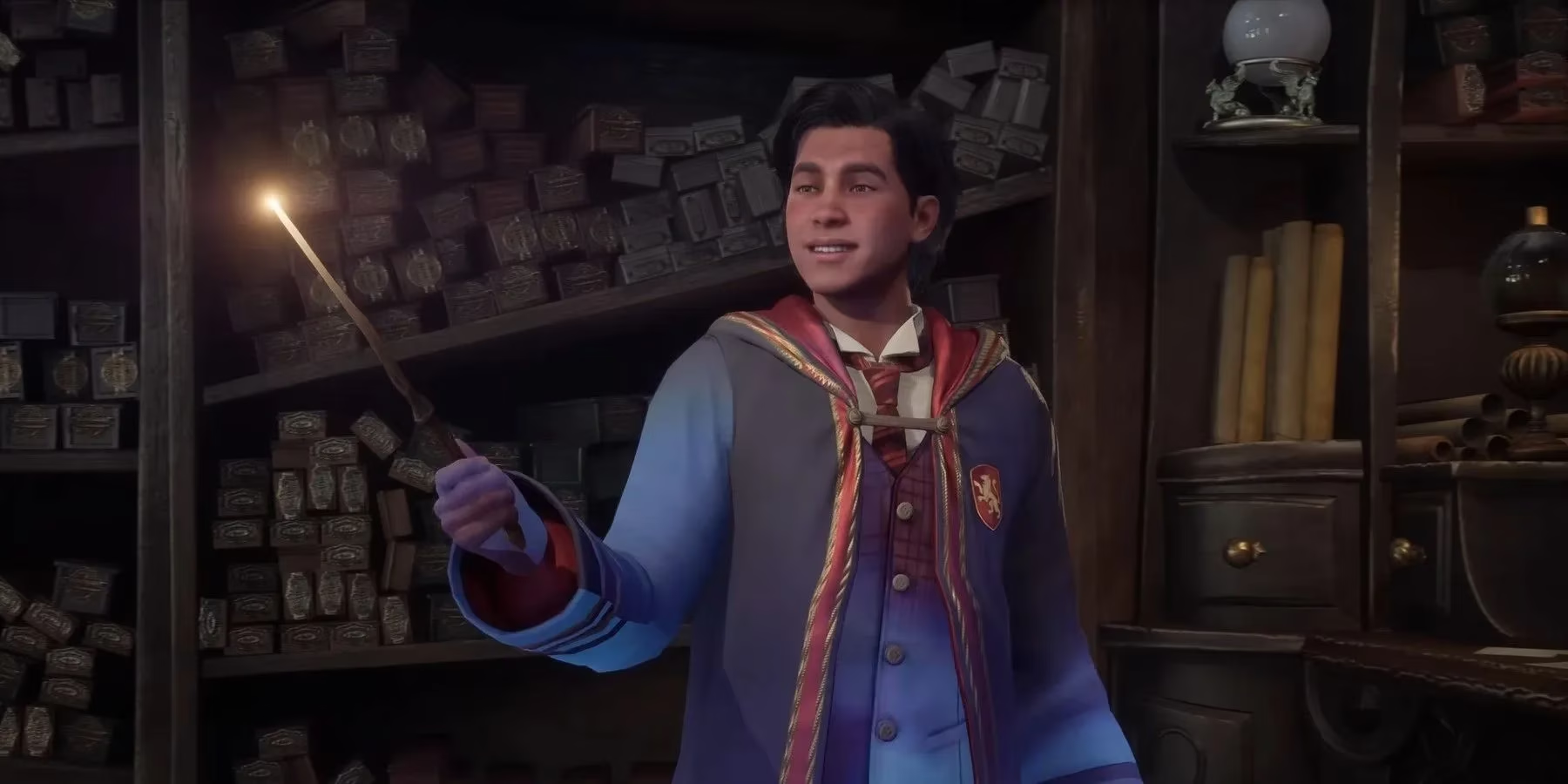
Here is where the sequel could get genuinely interesting. Imagine a Gryffindor villain who is not evil despite their house’s teachings, but because of them. Bravery without empathy becomes recklessness; daring without wisdom becomes cruelty. Or picture a Ravenclaw who feels crushed by the house’s lofty academic expectations, convinced they are a fraud because they got one Exceeds Expectations and the common room portrait keeps giving them disappointed looks. A Hufflepuff could be fiercely ambitious, not as a contradiction, but as a natural extension of loyalty to their friends. A Slytherin could be the most honorable person in the room—not as a twist, but as a person.
That would not just add nuance; it would make the sorting system itself worth questioning. The books and films occasionally flirted with this idea, then usually sprinted back to the safety of “Gryffindor good, Slytherin bad, Hufflepuff nice, Ravenclaw nerdy.” The heroes were brave lions, the villains were sneaky snakes, and the nice ones were apparently contractually obligated to be background characters. Hogwarts Legacy’s sequel can do better by letting the system fail its students in small, human ways. What happens when a child is told they are clever and then crumbles the first time they are not the cleverest person in the room? What happens when a child is told they are brave and then learns that bravery can be selfish? Those are far more compelling stories than another round of “surprise, the Slytherin was the traitor.”
| House stereotype | Sequel opportunity |
|---|---|
| Gryffindor = heroic | A charismatic Gryffindor whose courage makes them dangerously stubborn |
| Slytherin = villainous | A loyal Slytherin who protects their people with ruthless efficiency |
| Ravenclaw = scholarly | A Ravenclaw battling impostor syndrome and burnout |
| Hufflepuff = pleasant | A Hufflepuff with fierce ambition and a spine of steel |
I am not asking Avalanche Software to turn Hogwarts into a group therapy circle with wands. I am asking for characters who feel like people instead of house mascots in uniforms. The first game already let me role-play a student who did not fit the mold perfectly. The sequel should let the world around me react to that, too. Let NPCs switch houses if their personalities change. Let professors acknowledge that the Sorting Hat is a tradition, not a divine decree. Let a character say, “I was sorted into Gryffindor, but that does not mean I have to be brave every Tuesday.” Honestly, that would be more magical than another collectible chest.
In 2026, with a sequel all but confirmed and fans already sharpening their theories, playing it safe would be tempting. But Hogwarts Legacy’s greatest strength was letting players feel like students in a living world. A follow-up that treats the houses as starting points rather than life sentences would give that world more depth, more surprises, and far fewer one-note characters. So go on, Avalanche: let a Slytherin be kind, let a Gryffindor be awful, and let the Sorting Hat sweat a little. 🧙♂️✨
Comments